 |
| Cutie paws |

 |
| Angel says "You smell funny sis." |


|
| Cutie paws |
|
| Angel says "You smell funny sis." |
 |
| 40 acres! |
 |
| only ones wearing jeans! |
 |
| official basket carrier |

 |
| first taste |


 |
| gimme some! |
 |
| yummies! |
 |
| Add caption |
 |
| I was watering my plants when I caught sight of 3 deer about 100 yards away. I only saw this one by the time I got down there to take her picture. |
 |
| This is what became of my patty pan squash along with other squash and carrots. |
 |
| so summery and light |

 |
| Thanks for leaving your pillow daddy! |

 |
| Roma tomatoes with several kinds of spices. Smelled so yummy! |
 |
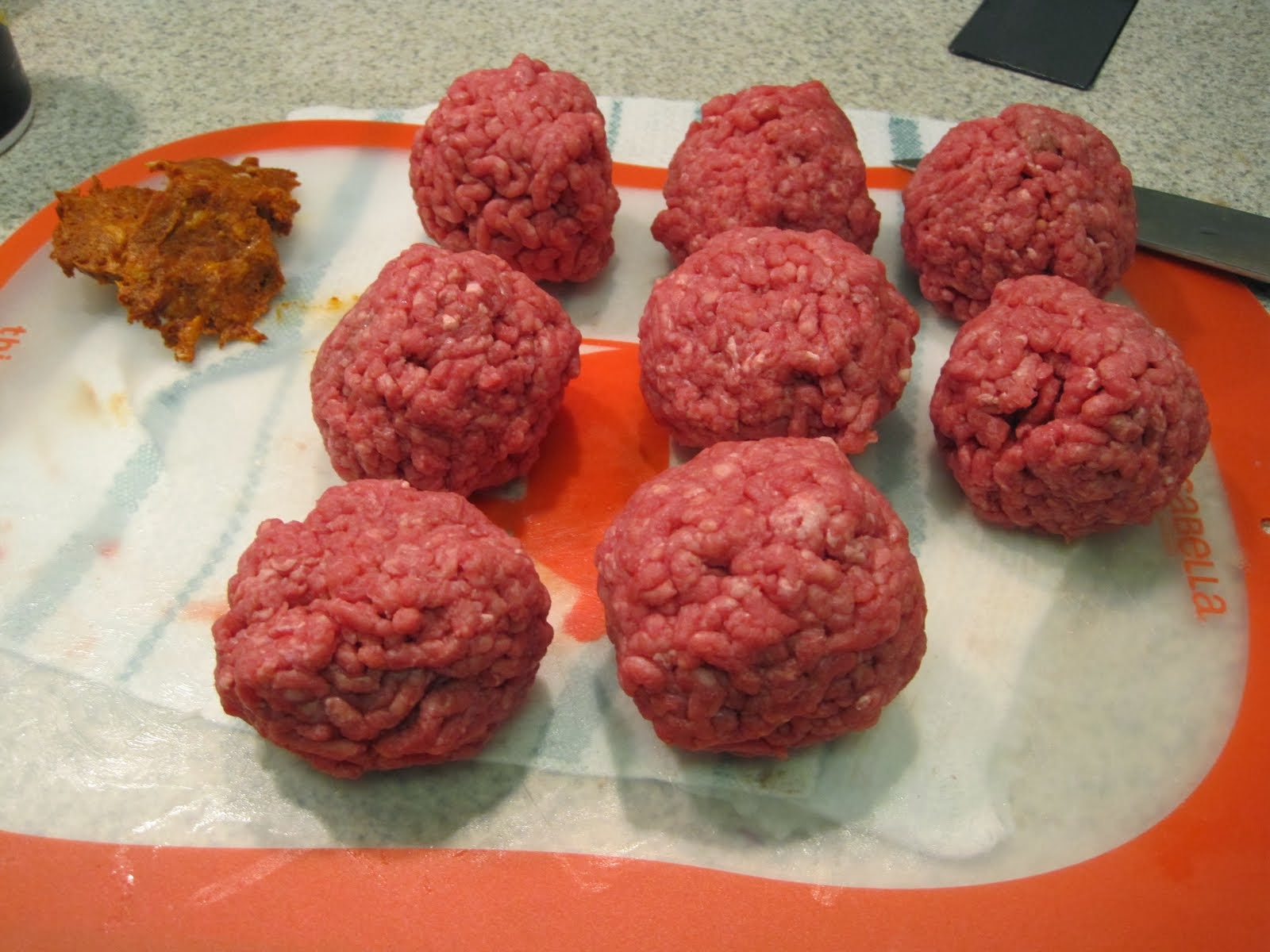
| chorizo and bacon |
 |
| eeek! |
 |
| the bacon and chorizo |
 |
| DON'T miss this at all :) |

The US recommended intake is 2.4 mcgs a day for ordinary adults rising to 2.8 mcgs for nursing mothers. Taking a B12 supplement containing 10 mcgs or more daily provides a similar absorbed amount to consuming 1 mcg on three occasions through the day. This may be the most economical method as a single high potency tablet can be consumed bit by bit. 2000 mcgs of B12 consumed once a week would also provide an adequate intake. Any B12 supplement tablet should be chewed or allowed to dissolve in the mouth to enhance absorption. Tablets should be kept in an opaque container. As with any supplement it is prudent not to take more than is required for maximum benefit, so intakes above 5000 mcg per week should be avoided despite lack of evidence for toxicity from higher amounts.Source

Manganese
Vitamin C
Very good source of magnesium
Vitamin A (notably through its concentration of carotenoids, including beta-carotene)
Fiber
Potassium
Folate
Copper
Riboflavin
Phosphorus
Many of these nutrients have been shown in studies to be helpful for the prevention of atherosclerosis and diabetic heart disease. Summer squash's magnesium has been shown to be helpful for reducing the risk of heart attack and stroke. Together with the potassium in summer squash, magnesium is also helpful for reducing high blood pressure. The vitamin C and beta-carotene found in summer squash can help to prevent the oxidation of cholesterol. Since oxidized cholesterol is the type that builds up in blood vessel walls, these nutrients may help to reduce the progression of atherosclerosis. The vitamin folate found in summer squash are needed by the body to break down a dangerous metabolic byproduct called homocysteine, which can contribute to heart attack and stroke risk if levels get too high. Finally, summer squash's fiber has been shown to lower high cholesterol levels, which can help to reduce the risk of atherosclerosis and diabetic heart disease. Source


 |
| Trader Joe's whole wheat sourdough bread and basil from my garden (yay!) |
 |
| Tiny bit of leftover hummus |
 |

 |
| So delicious and filling |

